We Put a Tiny Platformer on Our Website
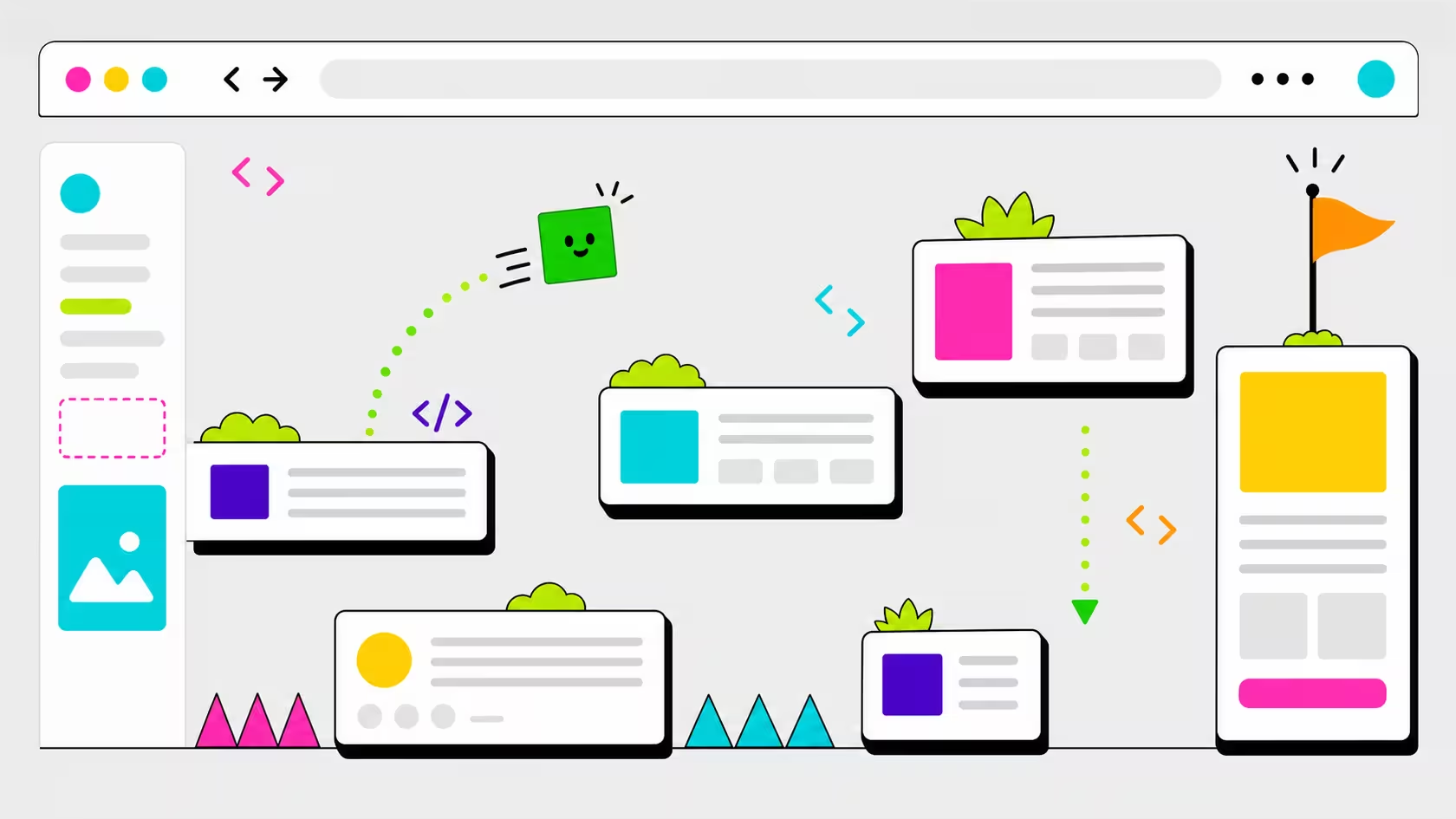
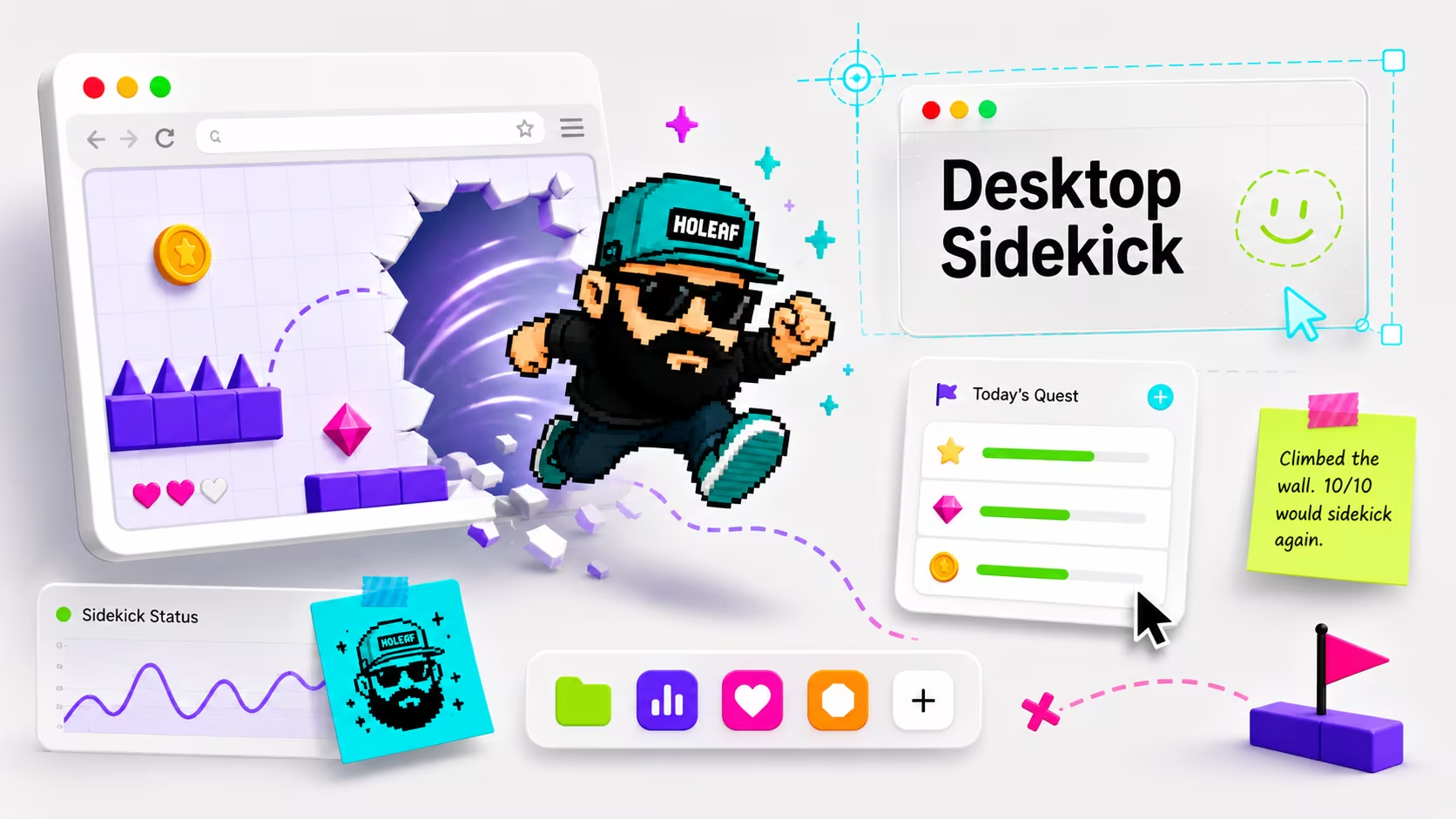
We built a browser platformer sidekick for holeaf.uk using DOM elements as platforms, simple collision detection and no game engine. It mostly obeys gravity.
A weekly never-finished project. Serious builds, silly detours, and honest notes on what AI actually helped with.
We built a browser platformer sidekick for holeaf.uk using DOM elements as platforms, simple collision detection and no game engine. It mostly obeys gravity.
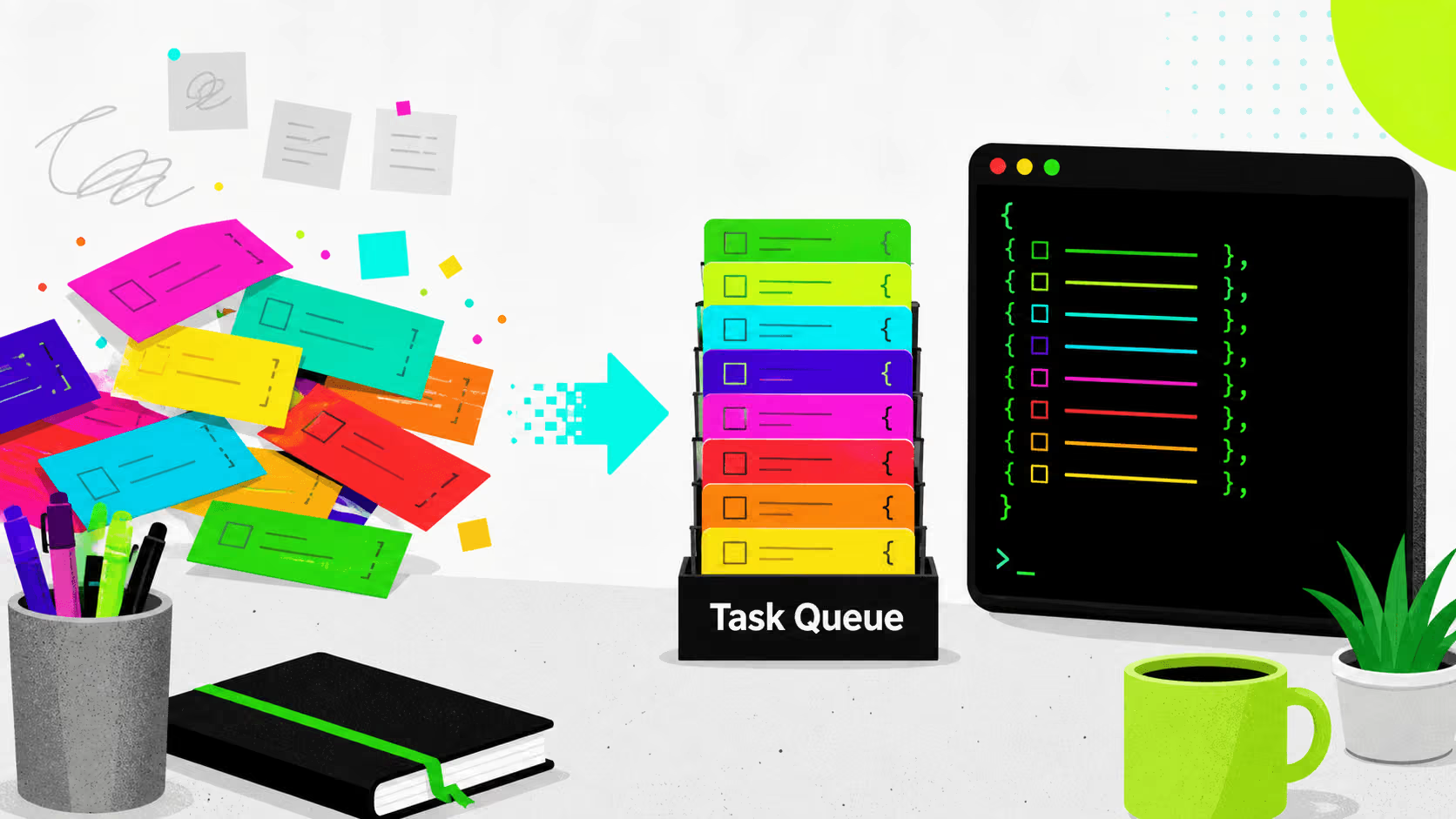
Built a small Go CLI and skill file to break project plans into JSON task files, claim the next job automatically, and keep AI sessions focused with less context. A bit less chaos, a bit more progress, which is usually enough.
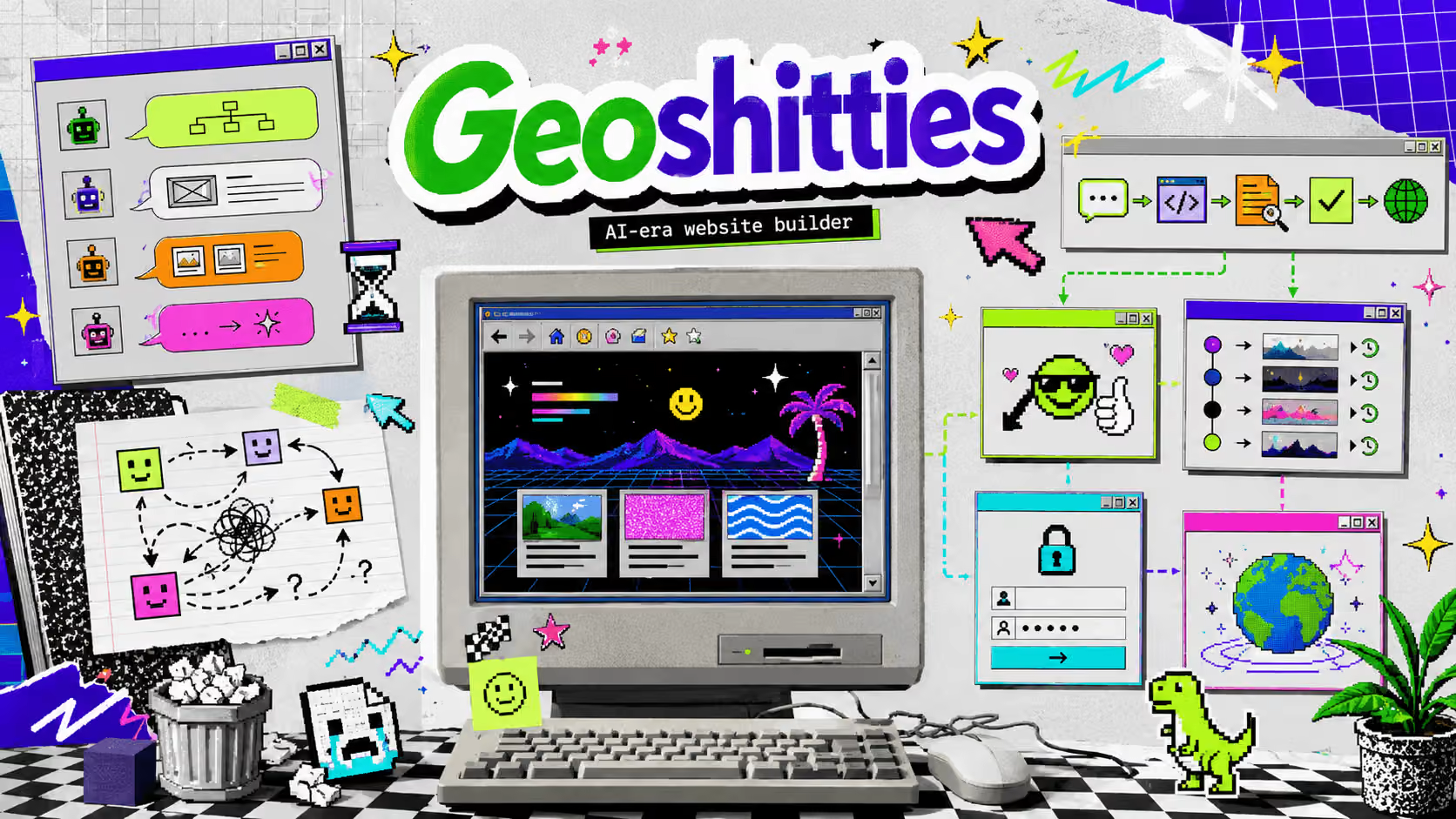
We built an AI-powered website builder prototype inspired by Geocities, using chat-driven planning, draft review, approval before publish, rollback, auth, and site provisioning. It worked, mostly, after a generous serving of agent handoffs, context rot, and human supervision.
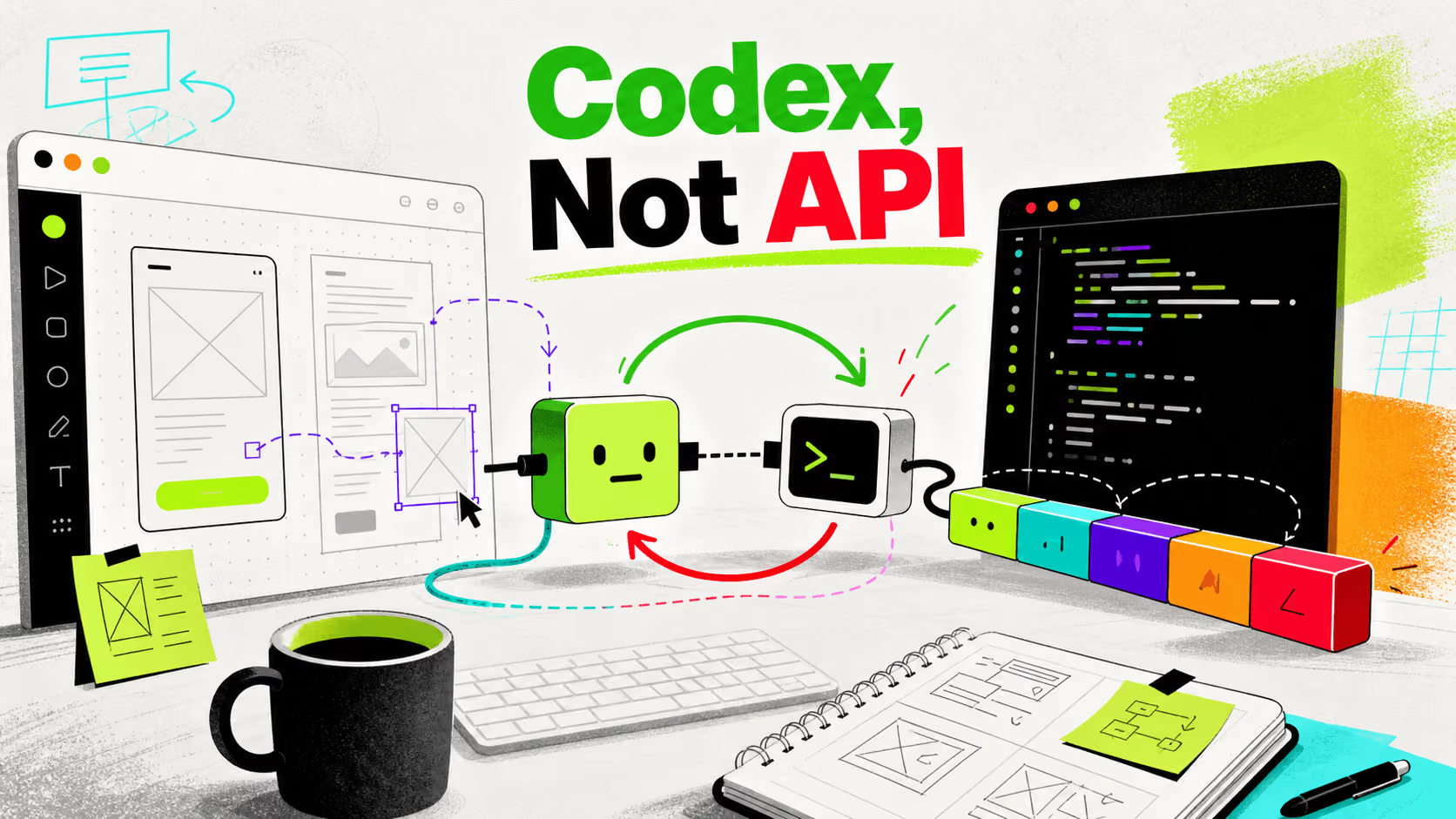
We rewired a local Penpot assistant to call the Codex CLI instead of an OpenAI compatible API, testing a shell based handoff, local auth, and what that changes for design workflows. Early, messy, and more promising than polite.
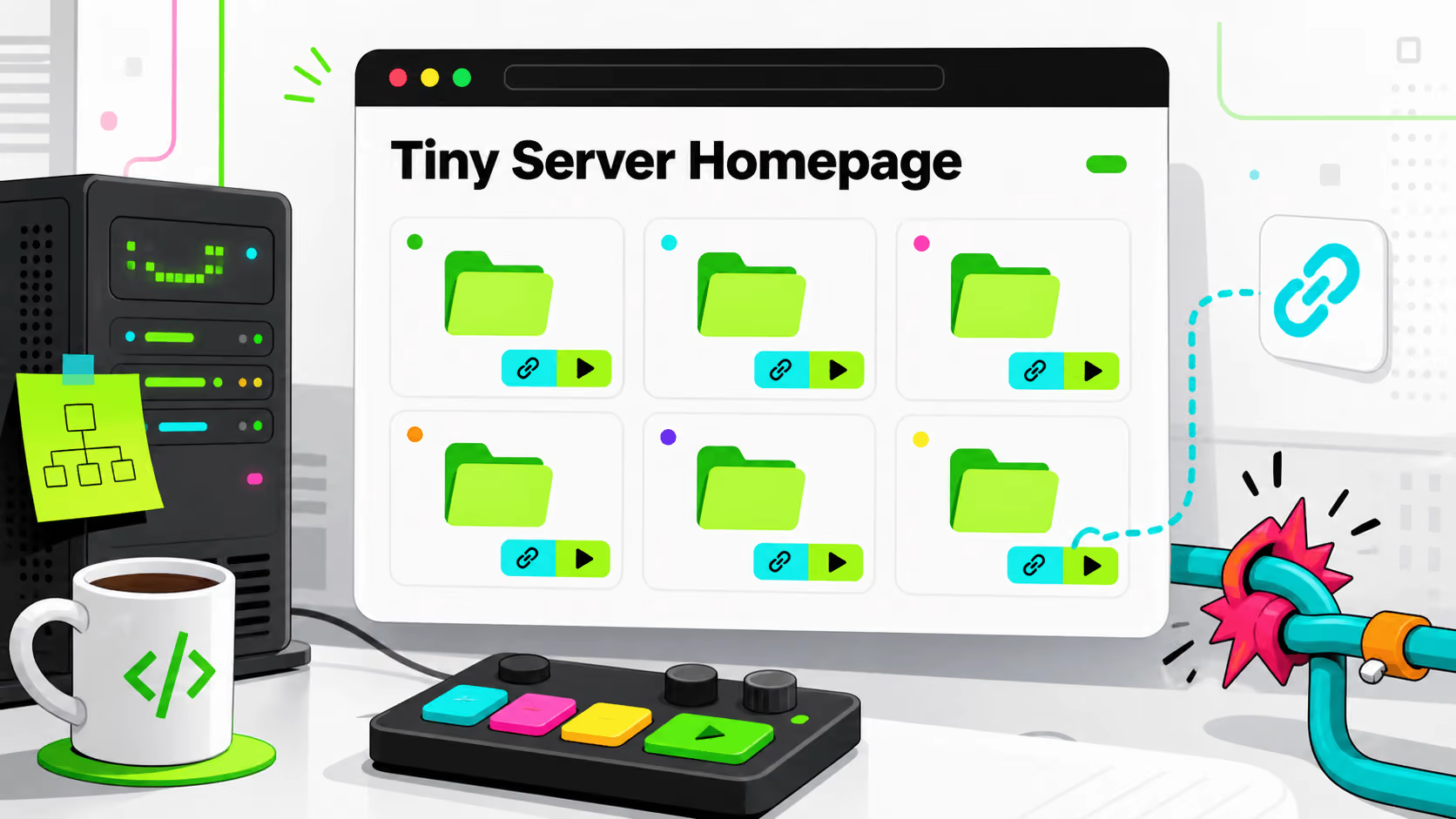
Built a small homepage for a dev VM to list project folders and trigger VSCode remote deep links. A quick test of a Codex-backed workflow, a simple browser dashboard, and one very real snag with window reuse.
We built a social content planner to test calendar scheduling, draggable overlapping cards, and an infinite canvas for rough campaign planning. The bigger problem was not the UI, but deciding whether a custom tool beat existing posting platforms, which is annoyingly human.
We built a deliberately overcooked shutdown timer in Electron for Windows and Linux, with a stripped-back final screen, cancel flow, and packaging headaches that taught the real lesson. Slightly silly idea, genuinely useful takeaway.